Beyond AI Assistants: Copilots vs Autonomous Security Operations in Modern Cybersecurity
As AI becomes embedded across security operations, not every platform marketed as autonomous delivers the same level of operational capability.


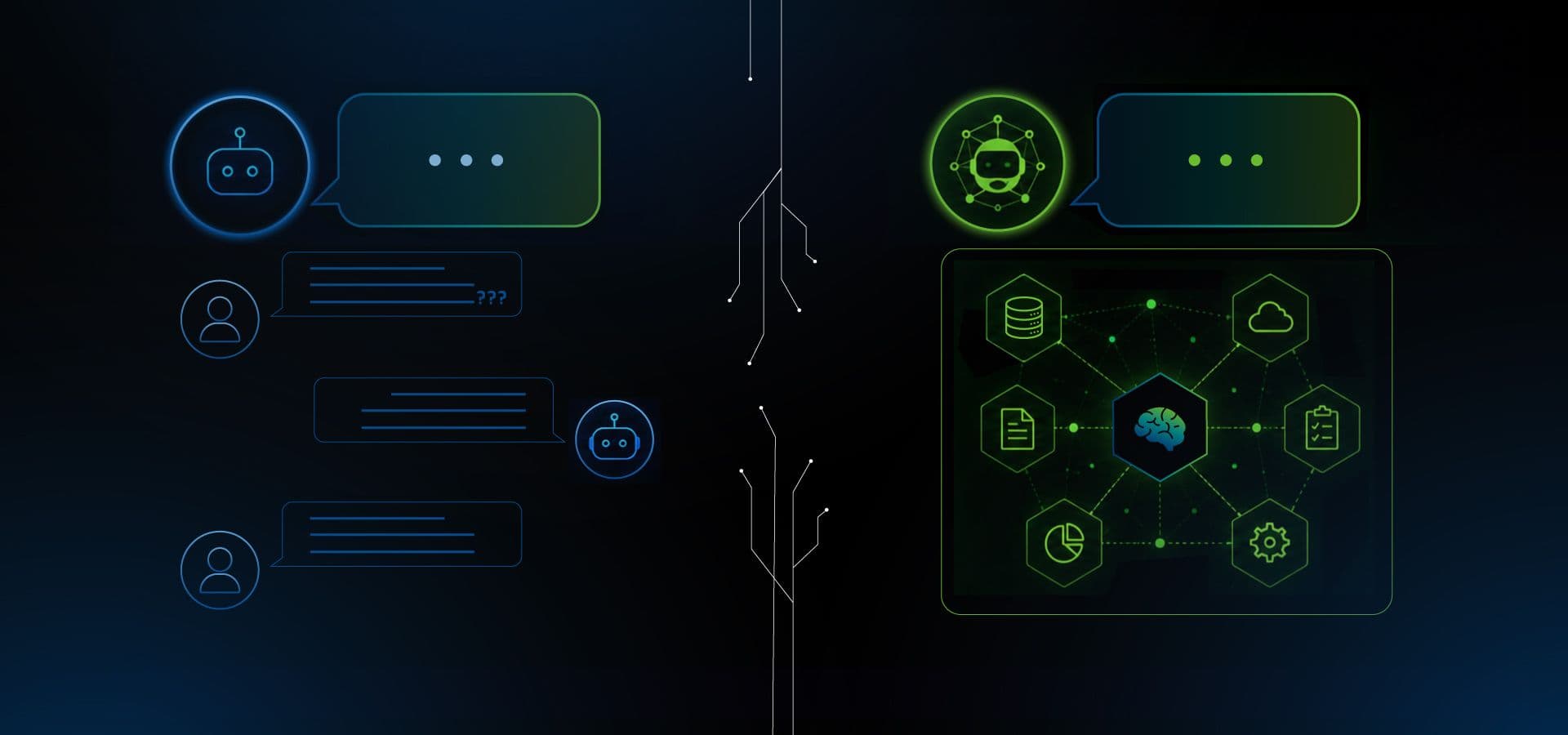
With autonomous security operations becoming one of the most discussed topics in cybersecurity, security leaders are increasingly being asked to evaluate platforms that appear similar on the surface but operate in fundamentally different ways.
Many AI-powered security tools available today function as copilots. They help analysts summarize alerts, retrieve information, answer questions, and navigate increasingly complex environments. These capabilities do provide meaningful value by improving productivity and reducing manual effort.
However, autonomous security operations require more than assistance. Autonomous platforms maintain investigation state, preserve organizational memory, correlate signals across tools, coordinate actions, and continuously work toward defined security outcomes. Rather than simply helping analysts understand information, they help drive investigations forward while keeping humans in control of critical decisions.
Why Security Leaders Need a Better Framework to Evaluate Autonomous Security Platforms
Interest in autonomous AI is accelerating across cybersecurity and enterprise technology.
Yet Gartner predicts that over 40% of AI projects will be canceled by 2027 due to rising costs, unclear business value, or weak risk controls.
The enthusiasm is real, but many organizations are struggling to turn this into measurable operational results.
Part of the problem is that terms such as AI assistants, copilots, agents, and autonomous platforms are often used interchangeably despite representing very different operating models.
Gartner has described this growing ambiguity as "Agent Washing": labeling assistants, chatbots, or workflow automation tools as agents even when they lack the planning, reasoning, memory, or autonomy required to support autonomous operations.
For security leaders, understanding the architecture is now essential. Before investing in an AI-driven security operations platform, leaders need a clear framework for what the platform actually does, how it operates, and where human oversight is still required.
What Most Security Teams Call AI Today
Most AI deployments in security operations follow a familiar pattern. An analyst receives an alert and asks the system questions:
- What happened?
- Which user was involved?
- Is this activity malicious?
- What should I investigate next?
The system retrieves information, summarizes findings, and generates recommendations. These capabilities do provide meaningful value. They reduce investigation effort, improve access to security data, speed up reporting, and help analysts navigate complex environments. But the way investigations are conducted remains unchanged.
Analysts still decide where to look, what evidence to collect, which systems to query, and what actions to take.
What Makes an Autonomous Security Operations Platform Different
Autonomous security operations platforms are built around outcomes, not prompts.
Instead of waiting for analysts to ask the next question, autonomous platforms continuously pursue objectives such as validating threats, determining the scope of compromise, identifying affected assets, and recommending appropriate response actions. Achieving these outcomes requires significantly more than summarization or conversational assistance.
The platform must gather evidence, maintain investigation state, preserve context, evaluate findings, determine next steps, and coordinate activities across multiple security tools. In other words, the platform is not simply helping analysts navigate information. It is helping drive the investigation forward toward a defined outcome.
This architectural shift is significant. Rather than simply improving interfaces for existing tools, the autonomous platform becomes an active participant in investigations. The conversation shifts from productivity enhancement to operational execution.
Why State, Memory and Context Matter More Than Chat Interfaces
One of the most overlooked differences between copilots and autonomous security platforms is persistent context.
Security investigations rarely exist in isolation. They evolve over time, span multiple tools, involve numerous assets and identities, and depend heavily on organizational knowledge accumulated across previous incidents.
For autonomy to work effectively, a platform must maintain awareness of this broader operational context rather than treating every investigation as a new conversation.
Most AI assistants operate within a limited interaction window. They answer questions about the information in front of them, but do not maintain a deep organizational understanding across investigations.
Security operations rarely work this way. Every investigation depends on context:
- Asset criticality
- Identity relationships
- Historical incidents
- Business ownership
- Previous analyst decisions
- Existing vulnerabilities
- Known operational exceptions
And many more based on the hypothesis.
Without context, investigations become isolated events; with context, they become connected decision processes. The goal is not simply faster answers. The goal is better operational decisions.
As AI becomes a larger part of security operations, understanding these architectural differences is increasingly important as more vendors market AI-powered capabilities as autonomous.
Five Questions Every Security Leader Should Ask Before Investing in Autonomous Security Operations
- Can the platform drive investigations or only answer questions?
- Does the platform maintain investigation state and organizational memory beyond a single interaction?
- Can it coordinate actions across the security stack?
- Can it explain how conclusions were reached?
- Can it learn from investigations and improve over time?
As organizations evaluate AI-driven security platforms, these questions help separate genuine autonomous capabilities from marketing claims.
The most important distinction is not whether a platform uses AI, but how that AI operates. Does it simply assist analysts, or can it maintain context, coordinate actions, and help drive investigations toward meaningful outcomes?
With security operations continuing to evolve, a platform's ability to support autonomy, context-aware reasoning, orchestration, and decision support may prove far more valuable than comparing AI features alone.
For readers interested in exploring how these concepts can be applied within security operations, our platform page provides an overview of a context-driven approach to investigations, orchestration, and response: Learn More.
Additional Resources
Agentic AI in SOC: Separating Reality from Hype
References
Frequently Asked Questions
AI copilots primarily assist analysts by answering questions, summarizing alerts, retrieving information, and generating recommendations. Autonomous security operations platforms go further by maintaining investigation state, preserving context, correlating evidence across multiple tools, and continuously working toward security outcomes. The key difference is that copilots support analyst productivity, while autonomous platforms support operational execution.
Autonomous platforms use capabilities such as contextual memory, knowledge graphs, organizational intelligence, and investigation state management to retain awareness of assets, identities, historical incidents, vulnerabilities, business ownership, and previous analyst decisions. This allows investigations to build on existing knowledge rather than treating every alert as an isolated event.
No. Autonomous platforms are designed to augment security teams, not replace them. They automate repetitive investigation tasks, data correlation, and evidence gathering, allowing analysts to focus on higher-value activities such as threat hunting, incident response, security strategy, and risk-based decision-making. Human oversight remains essential, particularly for high-impact actions and governance.
About the authors
Mahita Surapaneni is a marketing manager specializing in cybersecurity and emerging technologies. She leads content and thought leadership initiatives that help business and security leaders navigate topics such as Agentic AI, security operations, cyber resilience, and the future of autonomous security.
Sashank M is a Lead Security Analyst with over four years of experience in vulnerability assessment and penetration testing (VAPT), specializing in web, API, mobile, and network security. A recognized bug bounty hunter, he has earned Hall of Fame acknowledgments from organizations including Nokia and the United Nations, published CVEs and security research, and holds certifications including CREST CPSA, CMPen, CAP, and C-AI/MLPen.
Loved this insight?
Share it with your network and help secure the digital world.