In The Rush to Secure AI, Are We Forgetting The Human Element?
AI security isn't just about protecting models. It's about understanding how people, permissions, and everyday AI adoption create enterprise risk.


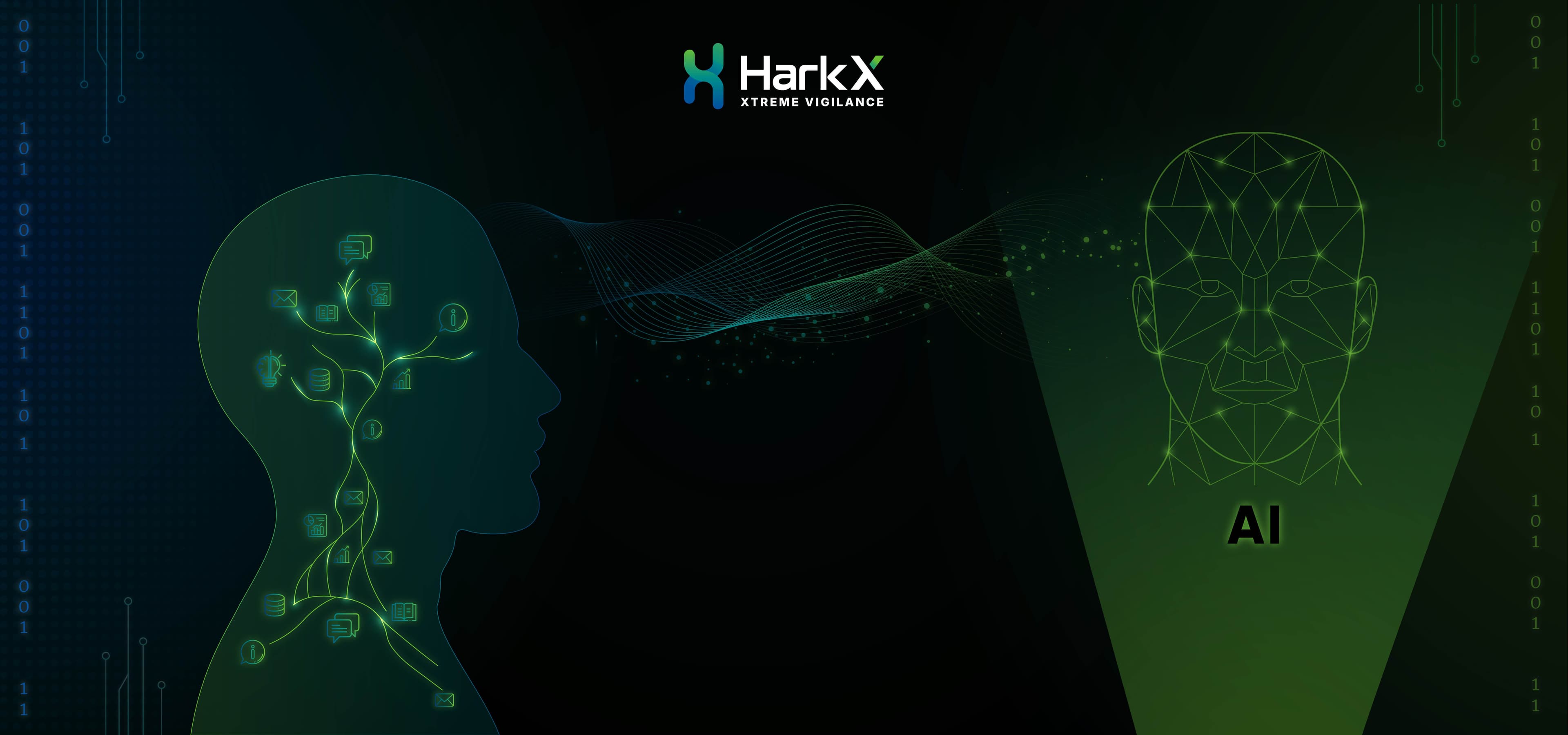
Enterprise AI security is maturing, but too often, it is viewed through a technical lens. Security teams prioritize prompt injection, model governance, and agent security, all of which are important risks. However, this focus can divert attention from a subtler but significant exposure: employees using AI in daily work and connecting it to sensitive business data and critical applications.
This exposure rarely begins as a security issue. It starts when employees seek efficiency, faster research, quicker summaries, or streamlined reporting. AI is adopted for convenience, becomes part of everyday work, and only later is recognized as a security concern.
This is why the human element matters. AI does not simply appear inside the enterprise. Employees decide where it is used, what data it can access, and which tasks it performs. As a result, AI risk extends beyond technical vulnerabilities to include the connections and permissions created through everyday adoption.
How AI Is Being Adopted Across the Enterprise
Enterprise AI adoption typically spreads through small, practical successes rather than a single top-down rollout. Teams find faster ways to summarize customer conversations, managers use AI for internal updates, and tasks that once took an hour now take ten minutes, making these new habits stick.
Gallup reported that by Q4 2025, 66% of employees in remote-capable roles used AI, with 40% using it frequently and 19% daily. Regular use shifts expectations. As employees rely on AI, it becomes a standard part of their work rather than an experiment.
After people begin using AI regularly, they look for ways to make it more useful. This is where standalone use turns into integration. Employees connect copilots, AI assistants, custom GPTs, browser agents, and AI-powered automations to the systems they already use every day.
In many ways, this reflects the next evolution of Shadow AI. The concern is no longer limited to employees using AI tools without formal approval. Increasingly, it involves AI connecting to enterprise applications, internal knowledge, and business processes. Each connection solves a productivity problem, but also extends AI deeper into the enterprise.
Where AI Adoption Becomes a Security Risk
The primary risk emerges when AI gains meaningful access inside the enterprise. Once connected, the impact of errors, misuse, or manipulation is determined less by the model itself and more by what it can reach.
Consider a simple example. A sales leader connects an AI assistant to email, the CRM, and a document repository to improve efficiency at quarter-end. Each permission seems reasonable individually, but together they grant the assistant visibility into commercial terms, customer history, and internal conversations through access paths that may never have been reviewed as a security decision.
From a security perspective, this is not just integration, it is the creation of new attack paths. If compromised or manipulated, the AI inherits the combined reach of every connected system, effectively aggregating access that was never intended to be unified.
This is why AI security cannot be evaluated solely through model-level controls. The same technology can present very different levels of risk depending on the data, applications, and permissions it can access.
Security teams need to understand not only how an AI system behaves, but also the operational reach it has been given.
Why Employees Shape the Perimeter for AI Use
This is where the human element becomes operationally important. Employees choose the tool, decide what it can access, and determine whether the productivity gain is worth the additional reach being introduced. In other words, they help define the perimeter of AI exposure through a series of small, reasonable decisions.
That does not mean employees are the problem. In most cases, they are doing what the organization rewards: finding faster ways to produce, respond, analyze, and coordinate. The issue is that adoption often moves faster than governance and review. By the time a central team understands one use case, several adjacent use cases may already exist.
As those decisions accumulate across teams and functions, maintaining a clear picture of where AI is being used becomes increasingly difficult.
Why AI Visibility Lags Behind Over Time
Once AI becomes embedded through everyday work, it can be difficult to understand its true footprint within the organization. Traditional security programs are good at tracking infrastructure, identities, and approved applications. They are less effective at capturing the way AI tools are woven into business operations through browser sessions, embedded assistants, integrations, and API connections.
This creates a visibility challenge. Knowing that a team uses a copilot is not enough. Security teams need to understand how AI tools are connected, which identities and permissions govern them, and how information moves once those connections are established. Visibility increasingly depends on context rather than simple inventories of approved tools.
Without that context, organizations may believe they are governing AI while still missing its presence inside the business.
What a Stronger Posture Looks Like for Modern Enterprises
A stronger approach does not begin with blocking every employee-led use case. It begins with seeing AI adoption as part of exposure management. The goal is not simply to know which AI tools exist, but to understand how their use aligns with organizational policies, access controls, and risk tolerance.
HarkX addresses this challenge by providing context-driven visibility across enterprise security operations. By correlating identities, permissions, enterprise applications, security telemetry, and organizational context, HarkX helps security teams investigate the risks introduced as AI becomes embedded into business operations. Rather than viewing AI as an isolated productivity tool, HarkX enables security teams to understand its relationships across the enterprise, identify potential attack paths, and make informed security decisions with greater confidence.
With that context, security teams can begin asking deeper investigative questions, such as:
- Which applications can this AI access?
- Which permissions make that possible?
- Which human decisions created that access path?
- What new attack paths has this AI integration introduced?
These questions move AI security beyond model governance and into operational risk management. AI-assisted tools become part of the broader enterprise attack surface rather than isolated productivity tools.
Ultimately, securing AI requires organizations to understand not just the models they deploy, but the relationships those models create across people, identities, applications, and data. As AI becomes increasingly embedded into everyday work, context-rich investigations will become essential for managing AI risk without slowing innovation.
Interested in more perspectives on AI security, governance and emerging enterprise risks? Browse expert insights from the HarkX team here.
Additional Resources
- The Black Box AI Shrug – Part 1: Why Confidence Scores are Failing the Modern SOC
- The Black Box AI Shrug - Part 2: From Opaque Confidence Scores to Verifiable Evidence Chains
- The SOC’s Integration Ceiling: Why Dynamic Workflows Are Non-Negotiable for Modern Investigations
References
Gallup - Frequent Use of AI in the Workplace Continued to Rise in Q4
Frequently Asked Questions
Shadow AI refers to employees using AI tools, assistants, or automations without formal oversight from IT or security teams. While these tools often improve productivity, they may also connect to enterprise applications, sensitive data, and business processes without proper governance, creating new security risks and reducing organizational visibility.
The risk posed by an AI tool depends not only on the model itself but also on what it can access. When AI is connected to enterprise applications, identities and permissions determine its operational reach. Understanding these relationships helps security teams identify excessive access and reduce potential exposure.
Organizations can strengthen AI visibility by continuously monitoring where AI tools are used, what systems they connect to, which permissions they receive, and how data flows between them. Context-rich visibility helps security teams identify risky AI integrations, understand potential attack paths, and govern AI adoption without hindering innovation.
About the authors
Mahita Surapaneni is a marketing manager specializing in cybersecurity and emerging technologies. She leads content and thought leadership initiatives that help business and security leaders navigate topics such as Agentic AI, security operations, cyber resilience, and the future of autonomous security.
Srinivas Rao is an AI/ML leader, product strategist, and enterprise transformation architect with nearly two decades of experience building enterprise-scale AI platforms, including Aadhaar's Identity Fraud Management System serving 1.3 billion citizens and Samsung Bixby. An IIT Kharagpur alumnus, he leads HarkX's product innovation, advancing the shift from traditional automation to autonomous, agent-driven security operations.
Loved this insight?
Share it with your network and help secure the digital world.